
The Green Earth Program
The Green Earth Program is one of the main programs under the umbrella of Achievers for Empowerment as it strives to ensure those most vulnerable in our society are not disadvantaged due to the negative impact of environmental degradation. The program aims to promote proper usage of our environmental and ways in which we can help improve, conserve and rebuild it to better sustain animals and plants.
The program mainly deals with efforts to promote environmental conservation, as it’s been evidenced all around us, the environment has been affected mostly due to human activities, which, thankfully can be reversed and help restore all damaged areas.
Environmental conservation is basically the practice of us humans to save the environment from collapsing, such as loss of species, ecosystems due to pollution and human activities. It is the practice of protecting the natural environment by individuals, organizations and governments. Its objectives are to conserve natural resources and the existing natural environment and, where possible, to repair damage and reverse trends.
Different Methods of Environmental Conservation
Forest Conservation
Afforestation and reforestation help in conserving the forests, which are responsible for trapping and absorbing a huge amount of carbon dioxide from reaching the atmosphere which reduces the ozone layer that is a protective layer that helps insulate us from the harmful ultraviolet rays of the sun.
We should make it our life mission to plant trees as much as possible, both on public and private lands, and take care of them.
Additionally, sensitization and legislation on the protection of natural and man-made forests should be highlighted, so that we help in environmental conservation.
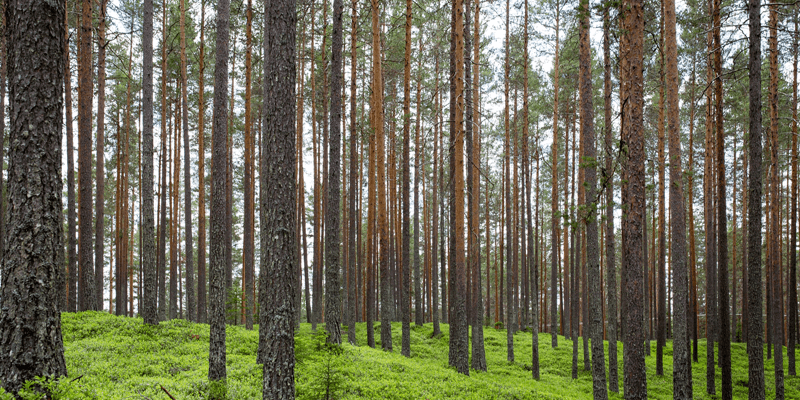
A forested area
Soil Conservation
Soil conservation helps control erosions and improves the soil for agricultural purposes. We should plant more trees, protect pasture lands by avoiding overgrazing, and grow cover crops which prevent soil erosion.
We should also minimize the use of chemicals that leach into the soil affection micro-organisms and structure, use compost/organic fertilizers to help improve structure and aeration and practice terrace farming on sloppy lands.
Managing Waste
All of us should manage our solid wastes and help keep the environment healthy. Solid waste is produced by market areas, industries, homes, settlement areas and many other areas. Municipalities should also conduct programs that manage solid wastes, designating litter bins all over the towns and collecting the waste regularly.
Additionally, we should teach ourselves how to manage our waste without littering all over. Doing communal cleanups should also be encouraged.
Recycling
Glass, paper, plastic and even metal are reusable, and should not be thrown away after its original use. We should learn to recycle and reuse everything we can for as long as it is possible.
Plastic bottles and bags are not biodegradable and more 500 billion of them are used every year. Reusing these bottles, containers, bags and more will help in environmental conservation.
Reducing Water Usage
Clean, fresh and safe water is precious and not easily available. It is therefore very crucial to conserve as much water as possible, and prevent water pollution, otherwise.
Reducing the number of baths and instead take showers, use the washing machine only, do not discard waste in bodies of fresh water, and recycle/reuse water, so that we conserve the little freshwater available to us.
Control Pollution
Factories and vehicles are the main sources of air pollution. We should regularly maintain our cars and leave them at home and use public transport.
Using rechargeable batteries helps the environment as we will not be prone to throwing them away once they are empty.
Composting also avoids littering, and not only does it protect the environment, but is also a reliable source of natural manure. Avoid chemical fertilizers, herbicides, pesticides and insecticides that pollute the environment.
We should control any form of pollution (air, water, soil) in as much as it is possible, to conserve the environment.
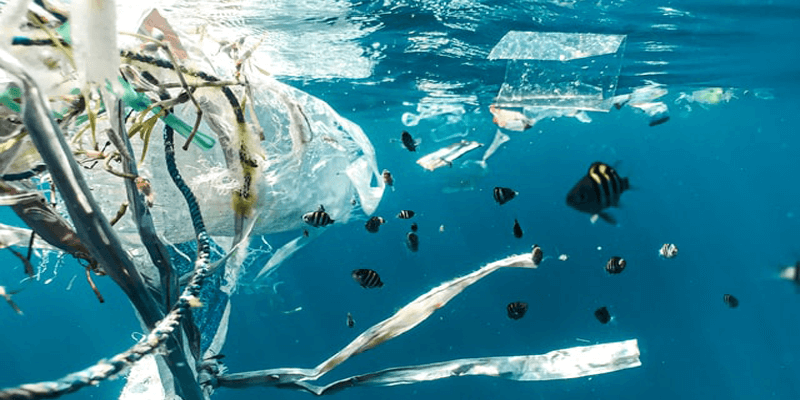
A water source polluted with plastics affecting aquatic life
Create Public Awareness
Make people aware of the consequences of our activities through the various means available such as social media, seminars and the traditional media.
Also, discuss environmental protection within the community so that everyone is made aware of environmental conservation, ways to conserve the environment and potential consequences if we do not take care of the environment.
Importance of Environmental Conservation
Importance of Environmental Conservation to Agriculture
Agriculture relies on earth; soil, and we rely on agriculture for the production of food, both plants and animals. Conserving the environment, with regards to agriculture, could mean preventing soil erosion, flooding and desertification, and this helps with people have food on their table. Unsustainable farming techniques impact natural ecosystems and make farming impossible.
Unsustainable techniques used in modern agriculture include:
- Using lots of chemicals/artificial fertilizers: these are toxic to pollinators and wildlife, running off into water bodies, polluting rivers, land and wetlands. They result in destruction of soil micro-organisms and bacterial critical to healthy soils.
- Production of genetically modified organisms (GMOs): GMO crops result in huge increase in farming using agricultural chemicals, applied directly to crops.
- Monoculture: this practice of growing a single crop in large scale has led to deforestation, widespread use of heavy machinery destroying soil structure, and large-scale use of agricultural chemicals.
- Downhill/uphill plowing: lack of knowledge on how to make soil for planting when working on sloppy or hilly landscapes which can lead to creation of channels downhill that increases runoff and increases soil erosion.
Importance of Environmental Conservation to Fishing
Water bodies, like the oceans, lakes, seas, rivers, springs and wet lands are another source of essentials such as food. People depend on seafood and related activities for sustainability. Aquatic life conservation is therefore vital in protecting human food supplies, human activities and aquatic animals. This saves aquatic life from extinction and the water bodies also provide water and food to people and land animals.
Some of the major challenges affecting the oceans include overfishing like use of trawlers and unlicensed net sizes, and pollution through factory effluent discharge, raw sewerage, plastics and destruction of habitat for shipping pathways and harbors.
Importance of Environmental Conservation to Climate
Conserving natural environments should be done to see extreme outcomes we’ve and are currently experiencing to be reversed. Human activities have a direct impact on the climate and a subsequent effect on all life. Global warming, linked to greenhouse gas emissions, which is an adverse effect on the climate, results in droughts, floods, rising sea levels and cases of extreme heat and cold.
Climate change is a result of human activities and has been linked to excess rainfall, extreme weather and a change in regular weather patterns. For instance, reforestation will bring about rainfall, which will facilitate agriculture, reducing air pollution use of alternative methods of energy like electricity, wind or solar energy in place of firewood, coal, fossil fuels and charcoal.
Importance of Environmental Conservation to Water Quality
A conserved environment decreases the prevalence of water-borne diseases, increases the quality of water entering aquifers, helps use surface water for recreation and increases the overall quality of life. Environmentally, a conserved environment preserves the diversity of water-dependent plants and animals and preserves the various natural services of aquatic ecosystems.
Conservation measures ensure there is excellent-quality water for all. Economically, conservation of the environment boosts tourism, provides catchment area for fishing, decreases the cost of healthcare, and provides an environment for the ecotourism industry.
Importance of Environmental Conservation to Air Quality
A well conserved environment provides good-quality air. Economically, it boosts tourism, decreases healthcare costs and decreases the corrosion of buildings and pavements.
It reduces the prevalence of circulatory and lung-related diseases hence better quality of life for the residents. Environmentally, it preserves water quality and preserves aquatic ecosystems and biodiversity.
Importance of Environmental Conservation to Biodiversity Preservation and Wildlife Protection
Conserving the environment preserves water and land-based ecosystems, preserves energy flow throughout the biosphere, provides for natural services, preserves food chains, and boosts nature-based tourism hence protects wildlife and promotes biodiversity. Maintaining a healthy and functional ecosystem helps prevent the extinction of certain animal species. If the environment is destroyed, some animals migrate or are forced out of their habitat, making it hard for them to survive elsewhere.
It could also bring about human and animal conflict, which ends catastrophically for both species.
Importance Environmental Conservation to Protecting the Earth
Environmental conservation protects and safeguards the environment from certain factors that are ruining the earth, such as climate change. Reduction in the amount of damage we are inflicting on the earth as it is contributing to its destruction.
If we do not conserve the environment, nature has a vicious way of fighting back to sustain itself, such as extreme weather, droughts and heavy rains which are negatively affecting our lives, our food, and homes. We have to do everything humanly possible to conserve the environment, for our planet’s sake.
Importance Environmental Conservation to Human Health
Environmental conservation will in turn protect and improve human lives and health. If the environment is destroyed, new diseases emerge, and species that could help produce medicines are destroyed.
Wild habitats are particularly important as they prevent emerging infectious diseases from jumping from animals to humans.
The Ebola outbreak, for instance, is an animal disease that jumped to humans and is believed to have been spread to humans by bats. Simply put, we cannot be healthy in an unhealthy environment. We have to conserve the environment for our own health and future.
How to Promote Environmental Conservation
Below are ways in which we can be involved that will help bring the information needed about environmental conservation. Everyone of us has a responsibility to conserve the general environment.
This can be done through:
Education
Environmentalism needs to be a bigger part of the education system, from primary school onwards. We should teach our children how to take care of the environment as well as the repercussions of not doing so.
For instance, invite school-going kids to plant trees within the school compound or community and take care of them for as long as they are in the institution.
Talk About It
Simply talk about environmental conservation in everyday life, blogs, vlogs, books, and articles including public gatherings.
Also, elected leaders should be aware of environmental conservation and see the need to conserve the environment. Talk about it even in churches, in seminars, in school, and in other locations. Promote the cause and talk about it everywhere, not just in limited contexts.
Engage the Community
Engage the community in tree-planting exercises as well as events that see the environment cleaned. Spare a day of a particular month in a year and dedicate it to tree planting or other forms of environment conservation efforts.
Ban Plastics
Plastics are responsible for a polluted environment. They have been banned and people should learn to either recycle or reuse them or stop to use them at all. In Kenya, they have been banned, except, it’s only carrier bags. More stringent measures need to be taken to ensure the effectiveness of the ban is enforced.
Create Legislation That Promotes Environmental Conservation
All forms of government should come up with legislation that promotes environmental conservation.
This should also be done on an international level, led by international agencies such as the United Nation with its UN Environment Program.
Empowerment is Our Mission
(+254) 721 301 719
(+254) 757 771 338
info@achieversforempowerment.org
P.O.Box 12174 - 20100, Nakuru